Decorative Spider Web. Arachnid Net Blac
Let’s be real: not every spider web design earns its place on a handmade tote bag, baby onesie, or boutique apron. I’ve stitched hundreds of “spooky but stylish” motifs—and Decorative Spider Web. Arachnid Net Blac stood out the moment I opened the folder. It’s clean, intentional, and quietly confident—not cartoonish, not overly ornate, and definitely not generic. As an embroidery designer who tests files before recommending them to clients or using them in my own craft business, I treated this one like a candidate for real-world use: no assumptions, just stitch-by-stitch scrutiny.
First Impressions: Mood, Shape, and Embroidery Readiness
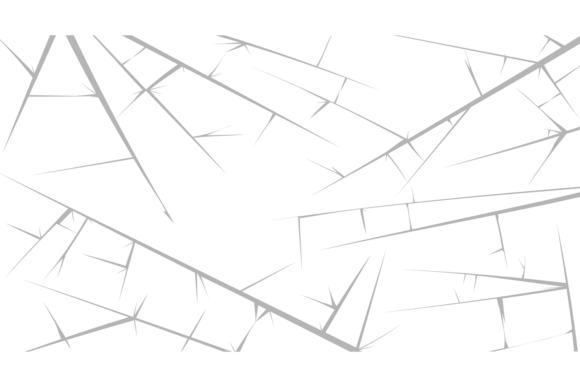
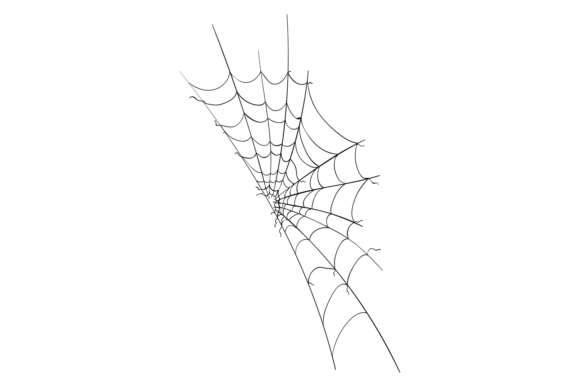
The Decorative Spider Web. Arachnid Net Blac lands with quiet authority. Its black-on-white isolation (in EPS, JPG, SVG, and transparent PNG) makes it instantly adaptable—but more importantly, it reads as *designed for translation*. The radial symmetry is precise, the strands taper naturally, and the negative space between threads feels generous, not cramped. That spacing isn’t just aesthetic—it’s functional. In embroidery, tight gaps between satin-stitched lines can collapse into mud, especially on textured fabrics like terry cloth or looped cotton. This design breathes. It leans into minimalism without sacrificing character—ideal for customers who want subtle gothic charm, not Halloween kitsch.
A Real Project Test: Embroidering a Linen Kitchen Towel
Last week, I used Decorative Spider Web. Arachnid Net Blac on a heavyweight natural linen tea towel—intended for a small-batch Etsy listing. Why linen? Because it’s unforgiving: uneven weave, low stretch, high friction. A poorly drafted machine embroidery design would snag, pucker, or lose definition. This one held up. With medium-weight cutaway stabilizer and 40-weight polyester thread, the outer ring anchored cleanly, and the inner radial lines stayed crisp—even at 3.2" wide. No floating stitches. No thread breaks. Customers don’t see the stabilizer choice or hoop tension—but they *feel* the difference in a finished product that lies flat and wears well. That’s where Decorative Spider Web. Arachnid Net Blac earns trust.
Where It Shines (and Where to Pause)
This design excels on structured, stable surfaces: embroidered patches, sweatshirt chest logos, pillow covers, and cap back accents. Its balanced proportions scale well from 2.5" (for baby embroidery or hat brims) to 4.5" (for tote bag centerpieces). On dark fabric? Yes—especially if you’re using black thread on charcoal or navy; the contrast stays sharp. On light fabric? Even better—the transparency-ready PNG makes mockup prep fast for your Etsy listings or printable mockups.
But here’s where judgment matters: avoid cramming it into tiny hoops (<2.5") without checking detail retention. Those delicate inner junctions may blur on ultra-fine thread or dense fill stitch. Skip it for highly stretchy knits (like lightweight jersey tees) unless you add tear-away + topping—and even then, test first. And while it works beautifully on baby embroidery (think neutral nursery decor), skip direct placement over seams or curved areas like shoulder yokes without re-hooping and re-digitizing guidance.
Design Integrity Meets Commercial Practicality
As a craft business owner, I care how a design affects perceived value. Decorative Spider Web. Arachnid Net Blac reads as intentional—not clipart. That lifts the whole finished product. A customer buying a personalized gift (say, a monogrammed apron with this web centered above the pocket) doesn’t just see “a spider web.” They sense curation, restraint, and quiet craftsmanship. That translates directly to higher perceived value, repeat buyers, and stronger brand consistency—especially for makers building a signature aesthetic around modern folklore or minimalist nature motifs.
It also performs well across digital touchpoints. The SVG and EPS files let me drop it cleanly into vector-based branding assets—think shop banners, packaging labels, or social media story highlights. The transparent PNG saves hours when prepping digital embroidery file previews or layered mockups. As an Illustrations asset, it bridges physical and digital workflows seamlessly.
Practical Designer Notes Before You Stitch
- Always test on scrap fabric first—especially with new stabilizer/thread combos or textured materials like terry, canvas, or felt.
- Check thread color contrast carefully. Black thread on black fabric won’t read. Consider gray, deep plum, or charcoal for tonal variation.
- Review stitch density in your embroidery software. If the file wasn’t digitized for low-density fills, adjust to prevent stiffness on wearable items.
- Confirm hoop size compatibility before hooping—this design fits comfortably in 4x4 and 5x7 hoops, but verify exact dimensions in your format.
- Inspect small details at 200% zoom: do inner strand ends taper cleanly? Are anchor points optimized for smooth jump stitches?
- Test in black-and-white mockups to gauge legibility on both light and dark backgrounds—critical for product photos and digital storefronts.
- Use proper stabilizer: cutaway for knits, tear-away for stable wovens, and fusible + topping for napped fabrics like fleece or velour.
- Verify licensing before selling finished items or bundling the file in digital embroidery packs—this is a Graphics asset, so commercial use terms matter.
In short: Decorative Spider Web. Arachnid Net Blac isn’t just another icon. It’s a thoughtful, production-ready piece of design infrastructure—for the embroiderer who values clarity over clutter, longevity over trend-chasing, and craftsmanship that shows up in every stitch. Whether you’re prepping holiday embroidery, building a cohesive line of small shop products, or sourcing reliable design assets for client work, this one earns its place in your active library. Just remember: even great files need real-world testing. Your next embroidered patch, custom apparel piece, or handmade product deserves nothing less.