Spider Web Background. Decorative Hallow: Graphics & Illustrations
First Impression: Spooky, Sophisticated, and Surprisingly Versatile
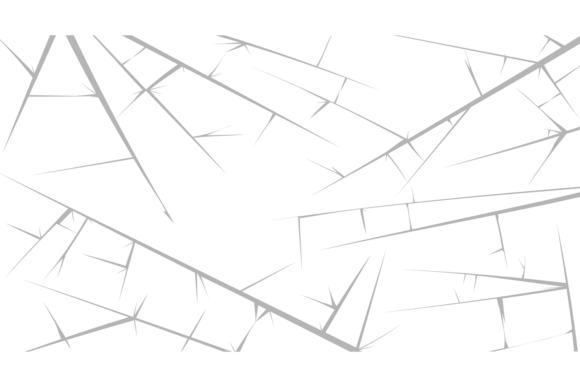
Opening the Spider Web Background. Decorative Hallow file feels like unboxing a well-curated creative design — clean vector lines, balanced negative space, and just the right amount of eerie charm. It doesn’t scream “cheap clipart.” Instead, it lands as a modern design with intentional rhythm: delicate radial symmetry, subtle texture in the web strands, and organic irregularity that avoids robotic perfection. For brand owners and content creators, this sets an immediate tone — playful but polished, seasonal but not cliché. It leans into Halloween’s storytelling power without alienating audiences who prefer lifestyle branding over cartoonish tropes. Think handmade candles, editorial newsletters, boutique fitness challenges, or indie digital product launches — all benefit from its atmospheric yet controlled energy.
Where This Graphic Design Asset Earns Its Keep
In real-world campaigns, Spider Web Background. Decorative Hallow shines where mood meets message. We recently used it across a small business branding refresh for a wellness coach launching a “Shadow to Light” October challenge. It anchored Instagram posts (as a subtle SVG overlay behind bold sans-serif headlines), elevated Pinterest pins (scaled cleanly as a transparent PNG over muted sage and charcoal gradients), and added tactile depth to printable design worksheets. Unlike generic stock backgrounds, it supported visual hierarchy — guiding the eye *through* the web’s natural flow toward the CTA. As a marketing visual, it reinforced emotional connection: mystery, transition, intentionality — all aligned with the campaign’s core messaging.
- Brand identity: Works best as a decorative accent — not a logo foundation, but ideal for email banners, media kit headers, or branded Canva templates.
- Social media graphics: Excels in Instagram carousels and Facebook cover images when layered at 15–30% opacity behind high-contrast text.
- Packaging design & product labels: Adds artisanal flair to sticker sheets, tea box inserts, or candle jar sleeves — especially when paired with serif or handwritten fonts.
- Digital ads & web design: Performs strongly in hero sections and landing page banners; avoid full-bleed use unless paired with strong typography and ample breathing room.
- Editorial design & content marketing: Elevates blog headers and lead magnet covers by implying narrative depth without visual noise.
Marketing Goals It Helps Achieve — Without Compromising Professional Branding
Spider Web Background. Decorative Hallow directly supports seven key marketing outcomes: stronger first impression (its distinctiveness cuts through feed clutter), clearer visual hierarchy (radial structure naturally centers attention), more consistent branding (when applied uniformly across touchpoints), better product presentation (especially for dark-themed or limited-edition items), improved audience trust (its quality signals care in creative execution), stronger recognition (repetition builds associative memory), and more memorable campaign visuals (emotionally resonant motifs stick longer than generic patterns). For small business branding, it bridges the gap between “handmade” warmth and “commercial design” credibility — no small feat for creative entrepreneurs juggling budget and polish.
Best Fit Use Cases — Hero Moments, Not Background Noise
This illustration thrives in spotlight roles: campaign headers that anchor seasonal offers, product launch visuals where contrast and intrigue matter, branded templates built for Canva or Figma, social media covers that balance personality and professionalism, packaging accents that whisper rather than shout, content bundles where cohesive aesthetics build perceived value, promotional banners for email or landing pages, editorial layouts needing atmospheric punctuation, and decorative brand elements like newsletter dividers or digital product splash screens. Its vector origins (EPS, SVG) mean it scales flawlessly for large-format prints — think event posters or retail window decals — while the transparent PNG ensures seamless integration into digital workflows.
Where to Proceed With Intention — Not Assumption
Spider Web Background. Decorative Hallow isn’t universal. Avoid it in formal corporate branding (law firms, finance dashboards), dense information layouts (infographics with tight text blocks), small mobile graphics (where fine web details blur or distract), low-contrast backgrounds (e.g., light gray on white), overly minimal brands (where even subtle decoration disrupts restraint), text-heavy ads (it competes with legibility), or designs where the asset overshadows the core message. It’s a supporting actor — powerful when cast intentionally, disruptive when overused or misaligned.
Practical Brand Designer Notes — Test Before You Trust
Before locking it into your campaign: test it with your full brand color palette — does it harmonize with your primary and secondary hues? Check black-and-white usage — how does it read in monochrome print or accessibility modes? Place it inside real campaign mockups (not just isolated previews) to assess balance and scale. Preview on mobile screens — does the web pattern hold clarity at thumbnail size? Test readability of body copy overlaid at common opacities. Compare it against top competitor visuals — does it elevate your positioning or blend in? Review pairings with serif, sans serif, script, handwritten, and display fonts — some combinations add elegance, others create unintended tension. Confirm spacing and negative space — never let the web crowd critical CTAs. And always verify commercial license terms before using in paid campaigns, client deliverables, or any digital product sold publicly.
Final Thought: A Strategic Asset, Not Just Seasonal Clipart
Spider Web Background. Decorative Hallow is more than a Halloween holiday banner — it’s a flexible, licensable graphic design asset built for creators who understand that seasonal relevance and brand integrity aren’t mutually exclusive. When wielded with intention, it strengthens visual storytelling, deepens audience resonance, and quietly signals professional branding — whether you’re designing for a solopreneur’s first online course or a boutique’s limited-edition merchandise drop. In the creative marketplace, assets like this don’t just fill space — they shape perception.