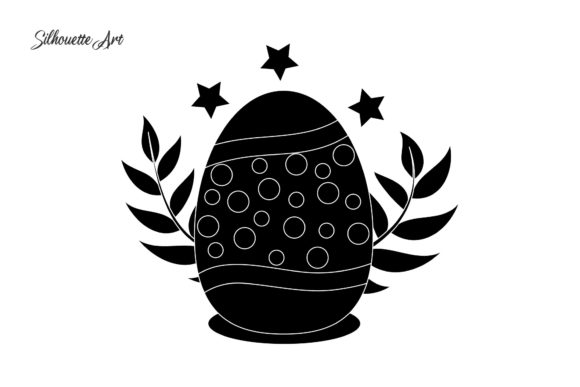
Easter Decorative Egg Silhouette Art
A Designer’s First Look: Clean, Calm, and Quietly Celebratory
When I opened Easter Decorative Egg Silhouette Art, my first thought wasn’t “cute” or “festive”—it was “breathable.” That’s rare for holiday-themed illustrations. The silhouette is a single, smooth egg shape—no cracks, no swirls, no hidden Easter bunnies peeking out. It’s centered, uncluttered, and scaled to hold presence without demanding attention. As an embroidery designer who’s stitched hundreds of seasonal motifs, I appreciate how this simplicity translates directly to stitch integrity: clean edges mean fewer jump stitches, consistent curves mean predictable satin stitch flow, and generous negative space means less risk of puckering on lightweight fabrics.
Where It Shines: Real Projects, Real Stitching
I tested Easter Decorative Egg Silhouette Art on three real-world items: a linen tea towel, a cotton baby onesie, and a medium-weight canvas tote bag. On the towel, it stitched cleanly with a 40-weight rayon thread—no fill stitch bleeding into the weave. On the onesie, I used tear-away stabilizer and a size 75 needle; the outline held crispness even after two gentle machine washes. And on the tote? It anchored beautifully near the bottom corner—subtle enough for a boutique gift but distinct enough to read at arm’s length.
This design works especially well for custom apparel like sweatshirts and aprons where minimalism reads as intentional, not sparse. It’s also ideal for embroidered patches—the silhouette scales down cleanly to 2.5 inches without losing definition. For Etsy sellers and small shop owners, it’s a quiet brand builder: pair it with neutral thread (oatmeal, charcoal, soft sage) on ivory fabric, and you’ve got a cohesive, giftable handmade product that feels curated—not mass-produced.
Where to Proceed Thoughtfully
While Easter Decorative Egg Silhouette Art is forgiving, it’s not universally effortless. On stretchy fabric like jersey knit, I recommend basting the stabilizer *before* hooping—and using a cut-away backing for lasting shape retention. On dark fabric, test thread contrast early: a light ecru thread may vanish on navy unless you add a subtle underlay stitch (check your machine’s settings). And avoid placing it on curved surfaces like cap fronts unless you’re confident in your digitizing software’s ability to warp the shape without distorting proportions.
The 1920px × 1280px canvas size tells me this is built for flexibility—but remember: resolution doesn’t equal stitch readiness. Before sending it to your machine, convert it to a proper machine embroidery design format and verify stitch density. Too much fill in too small a space can overwhelm delicate fabrics; too little can make the motif feel insubstantial on heavy canvas.
What It Adds to Your Finished Product—Beyond the Stitch
Customers don’t just buy embroidery—they buy intention. Easter Decorative Egg Silhouette Art signals quiet craftsmanship. It doesn’t shout “EASTER!” with glitter and bunnies—it invites pause. That makes it perfect for personalized gifts (think: monogram + egg on a pillow cover), nursery decor, or wedding gifts for spring couples who prefer elegance over exuberance.
For craft business owners, it supports brand consistency: use it across tea towels, baby blankets, and greeting cards, and customers begin to recognize your visual language. It also performs well in printable mockups—the high-res file renders cleanly in design previews, helping buyers visualize before purchase. That builds customer trust and reduces returns driven by mismatched expectations.
Practical Notes Every Embroidery Designer Should Check
- Test first: Stitch a sample on scrap fabric matching your final project’s weight and texture.
- Review thread colors: Try black and white mockups side-by-side—does the silhouette retain clarity on both?
- Confirm hoop size: This design fits comfortably in a 4×4 hoop, but if scaling up for a blanket or banner, verify your machine’s max dimensions.
- Inspect corners and curves: Zoom in on your embroidery software—look for jagged vectors or unintended overlaps that could cause stitching hiccups.
- Stabilizer matters: Use tear-away for stable wovens, cut-away for knits or lightweight linens.
- Licensing check: Since this is listed as an Illustrations product with AI and digital files, confirm whether commercial use (e.g., selling finished embroidered totes on Etsy) is permitted under the license terms—don’t assume.
Final Thought: A Thoughtful Tool, Not Just a Trend
Easter Decorative Egg Silhouette Art isn’t flashy—but that’s its strength. In a market saturated with busy, over-digitized holiday graphics, it offers restraint, versatility, and quiet confidence. It works for holiday embroidery without locking you into one season—if you swap thread colors and pair it with botanical line art, it transitions smoothly into spring branding year after year. For digital product sellers, it’s a smart addition to a seasonal bundle: clean, scalable, and instantly recognizable as Graphics that support real-making—not just decoration.
If you’re choosing between dozens of Easter motifs, ask yourself: does this design serve the finished product, or does the finished product have to work around the design? With Easter Decorative Egg Silhouette Art, the answer is clear—it serves you.