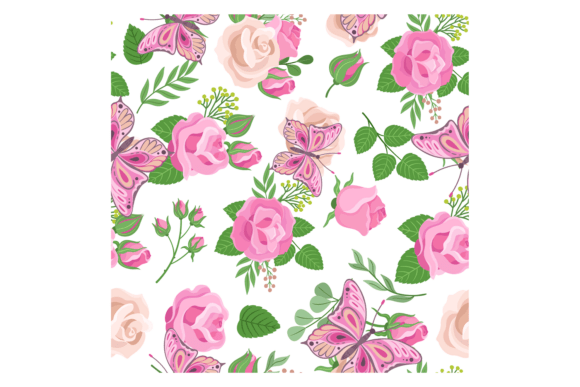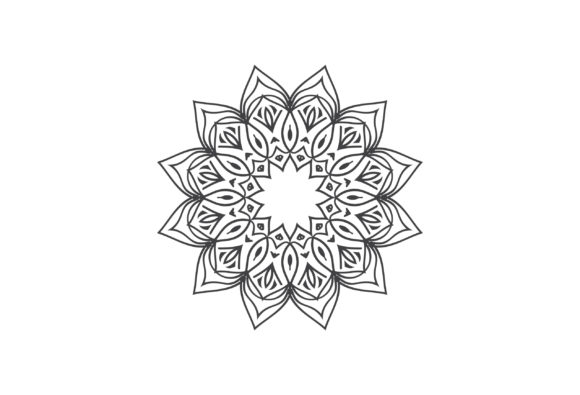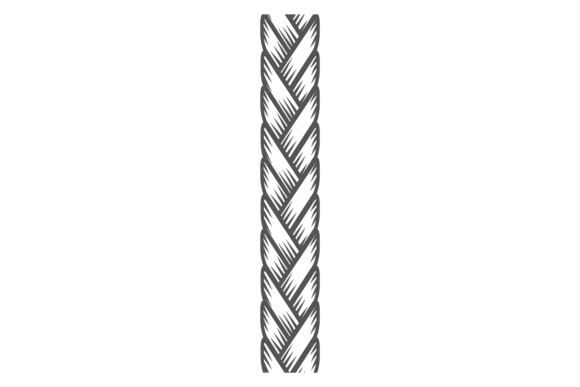
Decorative Braid Pattern. Vertical Handm Graphics
First Impression: Warm, Crafted, and Quietly Confident
The moment Decorative Braid Pattern. Vertical Handm appears on screen, it feels like a breath of intentional calm—handmade but precise, organic yet structured. It’s not loud or flashy, but it carries undeniable presence. That vertical rhythm suggests continuity, care, and craftsmanship—ideal for brands rooted in wellness, slow living, artisanal goods, or mindful education. For audience perception, it signals authenticity without sacrificing polish; it invites trust because it looks *made*, not generated. It leans into warmth and tactile humanity—perfect for small business branding that wants to feel personal, not corporate.
A Real Campaign Fit: Refreshing a Seasonal Content Kit
I recently used Decorative Braid Pattern. Vertical Handm to unify a client’s spring content kit—12 Pinterest pins, 4 email banners, 3 Instagram carousels, and a printable product launch guide. Before this asset, visuals felt disjointed: some graphics were too minimal, others overly ornate. This pattern became the quiet anchor—repeating vertically along side margins, framing quote graphics, or wrapping around product mockups. It gave instant cohesion without demanding attention. The handmade craft style elevated their digital product visuals while keeping them accessible and scroll-friendly.
Where It Strengthens Brand Communication
- Brand identity: Works beautifully as a secondary graphic element—paired with a clean sans serif logo, it adds texture without clutter.
- Packaging design & product labels: Scales elegantly across sticker sheets, tape seals, and hang tags—especially when printed in spot color or foil.
- Social media graphics: Adds dimension to Canva templates without competing with headlines; ideal for Instagram story borders or Pinterest pin dividers.
- Editorial design & blog graphics: Frames pull quotes or section breaks in lead magnets and media kits—enhancing visual hierarchy without overwhelming text.
- Digital ads & web design: Used subtly as a background repeat behind CTA buttons or hero section accents—boosts perceived professionalism in under 2 seconds.
How It Supports Core Marketing Goals
Decorative Braid Pattern. Vertical Handm delivers measurable value: it sharpens first impressions by adding visual distinction in crowded feeds; reinforces consistent branding through repeatable, scalable rhythm; improves audience trust by signaling human-centered design; and strengthens recognition when applied across touchpoints—from email headers to packaging inserts. Because it’s isolated on white and delivered in SVG, PNG, EPS, and JPG, it adapts cleanly to both digital ads and printable design—no pixelation, no color bleed. That flexibility directly supports stronger engagement and more memorable campaign visuals.
Best Places to Deploy This Graphic Design Asset
Use it where intentionality matters most: hero graphics for seasonal launches, campaign headers that need subtle movement, branded Canva templates for clients or courses, social media cover photos with layered depth, packaging accents (like ribbon wraps or box liners), content bundles sold as digital products, promotional banners for online coaches, editorial layouts for newsletters, and decorative brand elements like divider lines in PDF workbooks.
Where to Use It Thoughtfully
Proceed with care in formal corporate branding—its warmth may clash with ultra-minimalist or tech-forward identities. Avoid dense information layouts where vertical repetition could distract from data. On mobile screens, test spacing carefully: at under 40px height, fine braid details can blur. Don’t place it over low-contrast backgrounds—it needs breathing room to read clearly. And if your brand relies heavily on script or handwritten fonts, preview how the pattern’s rhythm interacts before finalizing. It shouldn’t compete with your main message—it should cradle it.
Practical Brand Designer Notes
Before locking it into any campaign: test Decorative Braid Pattern. Vertical Handm against your full brand color palette—not just primary hues, but neutrals and accent tones. Check black-and-white usage: does it retain legibility in monochrome print? Place it inside real campaign mockups (e.g., an Instagram post with live copy, a product label with legal text). Preview on actual mobile devices—not just browser simulators. Test readability at thumbnail size: does the braid still read as “pattern” and not “blur”? Compare it visually against top competitor visuals—does it stand out meaningfully? Try pairing it with serif, sans serif, script, handwritten, and display fonts to see which combinations elevate clarity and tone. Review spacing rigorously: too tight = busy; too loose = disconnected. And always confirm commercial license terms—this is essential for paid campaigns, client deliverables, and small business branding.
Why This Illustration Belongs in Your Creative Toolkit
Decorative Braid Pattern. Vertical Handm isn’t just another clipart file—it’s a strategic design asset. It bridges handmade charm and modern design discipline, making it unusually versatile across marketing visuals, editorial design, and digital product presentation. For bloggers, online coaches, and creative entrepreneurs, it solves a real problem: how to add distinctive, ownable texture without hiring a custom illustrator. For marketers building content kits or launching digital products, it delivers consistency at scale. And for small business owners refreshing packaging or social feeds, it offers professional branding leverage—fast, affordable, and commercially safe. In a marketplace flooded with generic vectors, this illustration stands out by feeling quietly intentional. That’s not decoration. That’s communication.