Cute Butterfly Drawing. Decorative Summe
A Light, Lively Shape—But Does It Stitch Like It Looks?
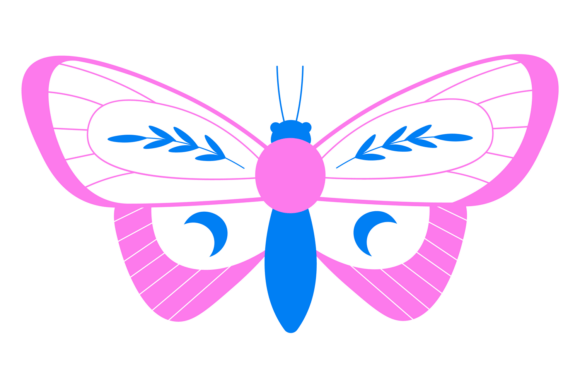
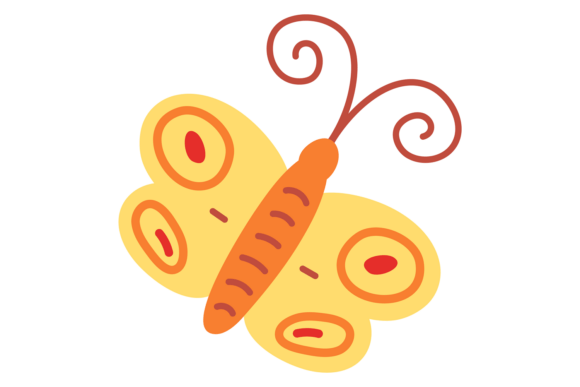
First glance at Cute Butterfly Drawing. Decorative Summe is pure summer ease: soft curves, open wings, gentle asymmetry, and just enough detail to feel intentional—not fussy. It’s not a photorealistic insect or a hyper-stylized icon; it sits comfortably in that sweet spot between illustrative charm and embroidery-friendly simplicity. As a designer who’s stitched hundreds of nature motifs—from ferns to fireflies—I immediately pictured this butterfly on a linen tea towel for a boutique kitchen line, or centered on a lightweight cotton tote for a local farmers’ market stall. Its visual personality leans friendly, approachable, and quietly confident—not childish, not overly delicate, and definitely not dated.
Where It Shines (and Where It Might Struggle)
I tested Cute Butterfly Drawing. Decorative Summe as the centerpiece for a custom embroidered baby onesie—soft organic cotton, tear-away stabilizer, 40-weight rayon thread. The result? A tender, breathable finish with clean wing edges and no puckering. That’s because the design’s negative space works *with* embroidery, not against it. The wings aren’t solid fills—they breathe. That makes it ideal for baby embroidery, pillow covers, and aprons where drape and comfort matter more than flash.
On a midweight sweatshirt, though, I slowed down. The butterfly’s thin antennae and subtle wing veining didn’t translate cleanly without tightening stitch density and switching to a lighter fill stitch. On stretchy fabric like jersey, those fine lines blurred unless paired with cutaway + topping. So while it’s lovely for custom apparel, it’s not “drop-in-and-stitch” for all commercial embroidery workflows. It rewards attention—not just to hoop size, but to fabric behavior.
For embroidered patch production, I’d rework the outer edge with a tighter satin stitch border—its current outline reads beautifully in digital embroidery file form, but needs reinforcement to hold up through laundering and wear. And on dark fabric, I’d test thread contrast early: light pastel threads pop on navy, but pale yellow vanishes on charcoal unless backed with white underlay.
Real-World Fit: More Than Just a Pretty Outline
Last month, I used Cute Butterfly Drawing. Decorative Summe to refresh a small shop’s holiday gift line—stitched onto organic cotton drawstring bags filled with local honey and lavender sachets. Customers consistently paused at the display. Not because it screamed “butterfly,” but because it felt *handmade*, unhurried, and seasonally sincere. That’s the quiet strength of this design: it supports storytelling without dominating it. It doesn’t compete with typography on a tote bag design; it complements it. It doesn’t overwhelm a personalized gift; it personalizes it.
That said, avoid cramming it into tiny spaces. On a curved surface like a cap or hat, the lower wing tips risk distortion unless resized thoughtfully—and even then, I’d skip it for anything under a 3" hoop. Likewise, layered garments (think quilted jackets or double-layered aprons) demand extra stabilizing care. The design’s openness means it won’t hide flaws in tension or fabric shift.
What This Means for Your Craft Business
If you’re an Etsy seller, small shop product creator, or creative entrepreneur, Cute Butterfly Drawing. Decorative Summe is a smart asset—but only if you treat it like one, not a shortcut. It elevates handmade product perception when stitched well: customers notice the balance between detail and airiness, the way light catches the wing edges, how it holds up after washing (with proper finishing). But it won’t rescue poor stabilizer choice or mismatched thread weight.
For printable mockups or digital product previews, its transparent PNG and SVG files make quick, clean composites—especially against natural textures like burlap or unbleached cotton. Just remember: what looks crisp on screen may soften in thread. Always preview in grayscale first to check value separation between wing sections.
Your Practical Checklist Before Stitching
- Test on scrap fabric—especially if using textured, dark, or stretchy materials
- Check thread color contrast on both light and dark backgrounds before finalizing your embroidery project
- Review stitch density: too dense = stiff wings; too sparse = fragile outlines
- Confirm hoop size—this design reads best at 2.5"–4", not mini hoops
- Inspect small details like antennae tips and wing veining under magnification
- Use proper stabilizer: tear-away for stable wovens, cutaway + topping for knits or sheer fabrics
- Verify licensing before selling finished items or bundling as design assets—this is a Graphics file, not pre-digitized machine embroidery design
- Ask yourself: does this support the mood of my finished product? For nursery decor or wedding gifts, yes. For bold streetwear or tech gear, probably not.
Final Thought: Charm With Intention
Cute Butterfly Drawing. Decorative Summe isn’t flashy—but it’s memorable. It’s the kind of Illustrations asset that earns repeat use because it adapts: scaled down for a child’s hair clip, enlarged for a wall hanging, simplified for an applique design. It respects the craft. It doesn’t ask you to force it into places it doesn’t belong—like dense fill stitch areas or high-friction zones on backpacks. Instead, it invites thoughtful placement, careful thread selection, and quiet confidence in your craft business voice. If you’re building a collection of reliable, evocative, commercially viable embroidery file options, this butterfly earns its place—not as filler, but as foundation.